

Happy belated semiquincentennial, everyone! Pretty awkward word compared to when we celebrated America’s bicentennial fifty years ago. Also, the celebration itself this year felt quite awkward compared to the one in 1976.
Fifty years ago, our country seemed to be in a more optimistic and patriotic mood. Some of that probably reflects a more — let’s say seasoned — view of the world now, compared to my probably overly-optimistic sixteen-year-old self. But, I think there were real differences, too.
In 1976, it felt like we were catching our breath and resetting after the end of the Vietnam War and Nixon’s resignation. And, disco, platform shoes, and bell-bottoms were hot — maybe we were just looking for an excuse to party!
The bicentennial was a nearly year-long celebration. The stars-and-stripes and “Spirit of ’76” flags were everywhere. On July 4th, hundreds of tall ships sailed into New York harbor, the Boston Pops played before a record crowd, and the fireworks display over the National Mall in Washington, D.C. was simply massive.
For some reason, probably many reasons, this year’s celebration was pale in comparison.
Still, this year was meaningful for me, in large part due to my trip to Philadelphia1 the week before Independence Day, where I attended the Braver Angels National Convention. We set a new record for attendance — around 900 delegates from around the country — divided roughly evenly between “Reds” and “Blues”. All were passionate about reducing political polarization and working to heal our country’s divisions, which was uplifting.
Braver Angels is a nationwide organization that offers workshops and other events to help people learn to have constructive conversations with people from the “other side”. If you’d like to get a sense of what we’re about, you can check out the Live Bravely Brochure or watch the Braver Angels Documentary.
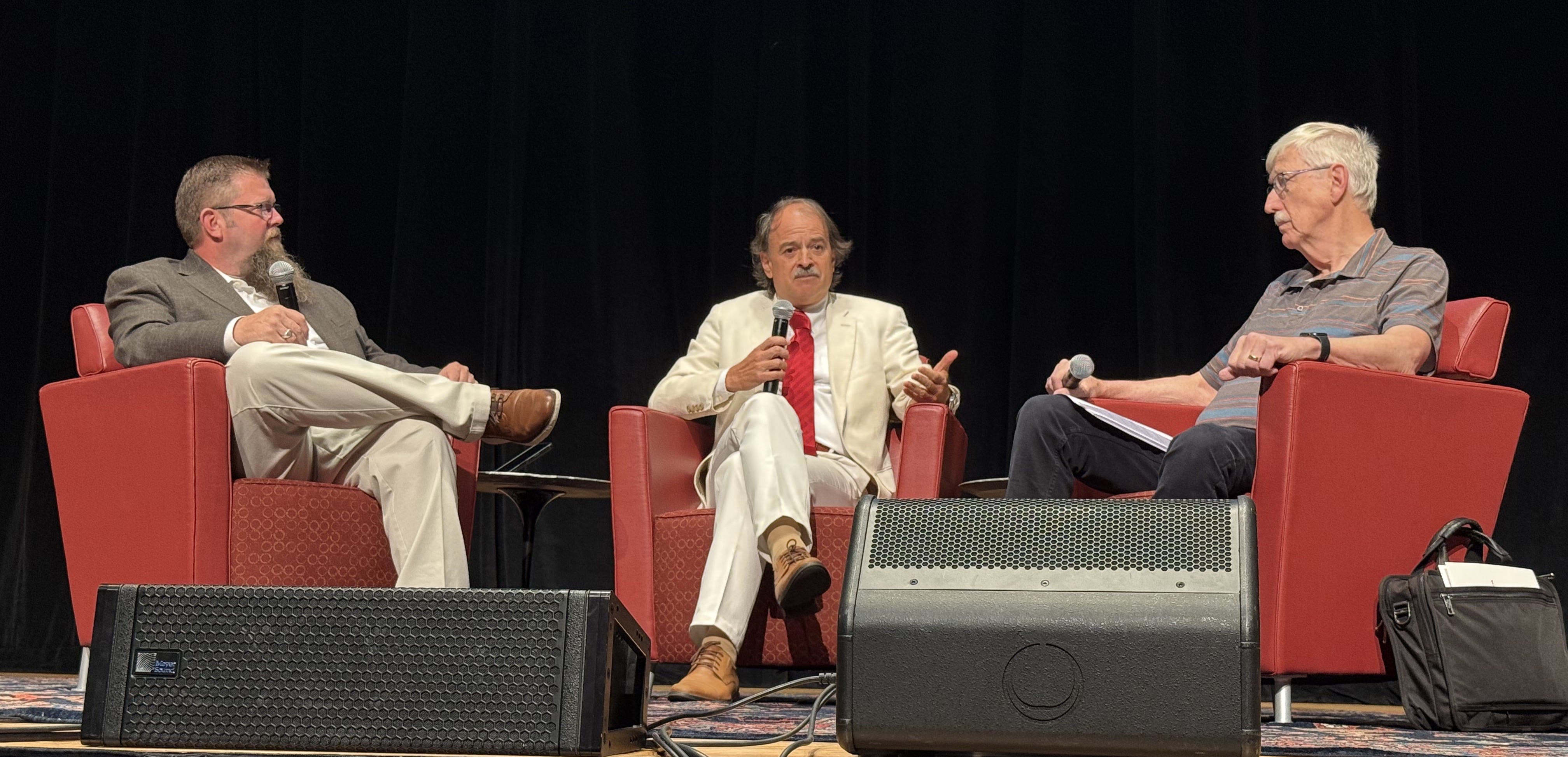
One highlight of the conference for me was meeting John Ioannidis and Francis Collins prior to a panel discussion in which they — somewhat — buried the hatchet over their differences over the response to COVID. I also got to connect with old friends, make new ones, and generally leave the conference more optimistic and energized than when I arrived.
Being in Philadelphia also allowed me to reflect on some family history that I only learned about in the past few years. It begins with Jean-Baptiste Le Sesne, a Huguenot who fled religious persecution in France, reportedly fought under William of Orange, and ultimately settled in Northern Ireland. He was one of my seventh-great-grandfathers.
Around 1718, some of Jean-Baptiste’s family immigrated to America seeking a better life, settling in Pennsylvania. Over the years, the family surname changed to Cessna, Cisne, Sisney, and several other variants.
Major John Cessna was one of my fifth-great-grandfathers. He lived in western Pennsylvania, which then represented the colonial frontier. He fought in the French and Indian War, the Revolutionary War, and served three terms as the sheriff of Bedford County. He was also a delegate to the first Pennsylvania state constitutional convention.
The 1776 Pennsylvania Constitution was a radical experiment in democracy, granting the right to vote to any male taxpayer aged 21 or older, forming a unicameral legislature with annual elections and term limits, and abolishing the office of governor in favor of investing executive power in a 12-member council elected by the people.2
There were only 96 delegates to the 1776 Pennsylvania state constitutional convention, to include Benjamin Franklin, who was president of the convention. Which means that Major John knew Benjamin Franklin, and likely other signers of the Declaration of Independence, and that I find that really cool. I know my dad, uncle, grandmother, and great-aunts, would have loved to have known that history, too.
But, as I noted in my last post, Five Sisters, my grandmother and her sisters were orphaned young when their parents died in the early 1900s. They were separated from one another, growing up in different households. They remained connected to one another throughout their adult lives, but the connection they lost was to their past — a rich family history that was also lost to the generation that followed them — only to be rediscovered years later, at least in this limb of the family tree.
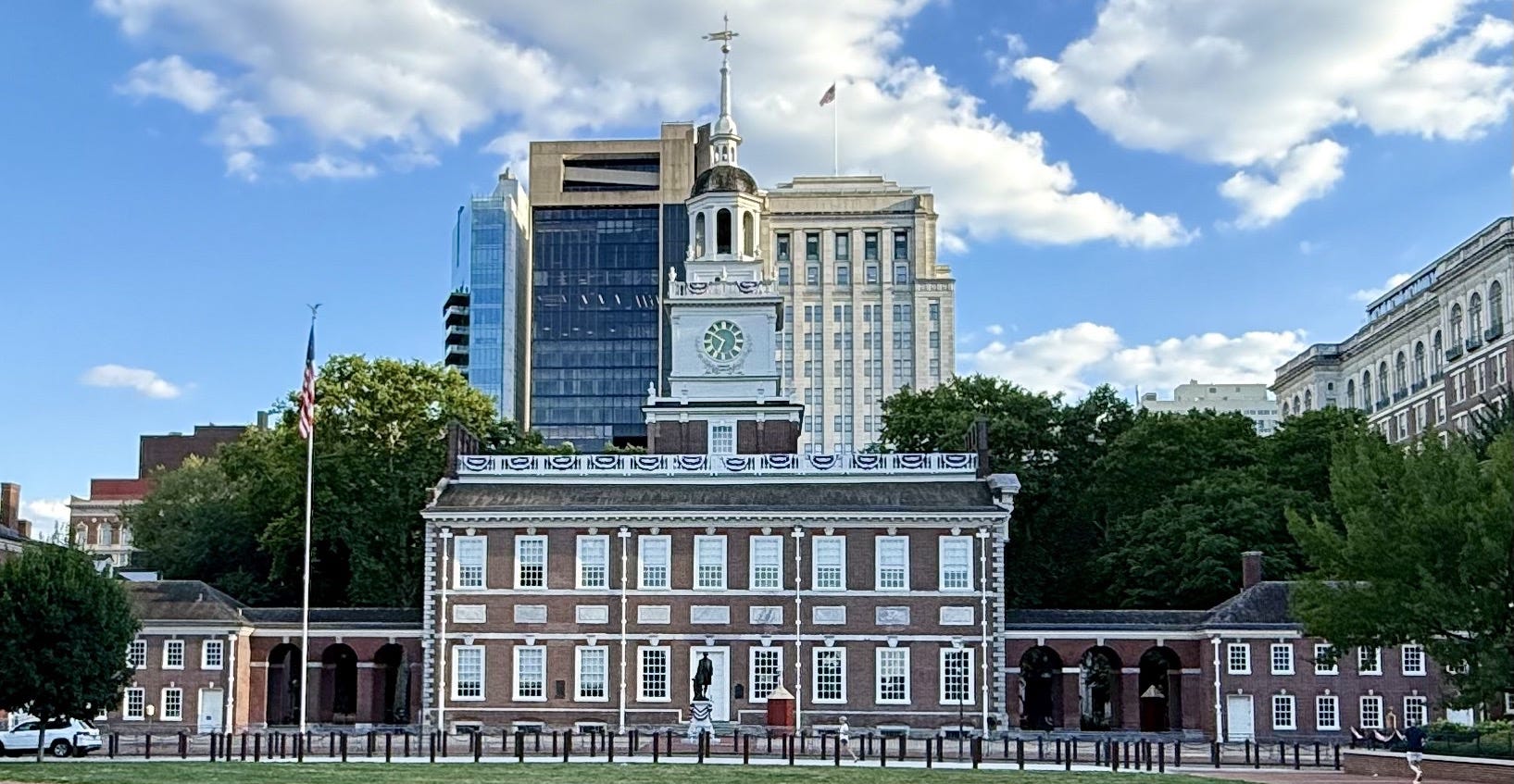
So, when I visited Independence Hall in Philadelphia a few weeks ago, I was moved more than I expected to be. I just stood and looked, walked around, and looked some more. I thought about Jean-Baptiste fleeing France. About Major John serving in the Revolutionary War and walking through those very doors. I also thought about my father, uncle, and grandmother, who never knew this portion of their ancestry.
The first Pennsylvania state constitutional convention was convened shortly after the Declaration of Independence was signed — in fact, it was convened exactly 250 years ago today, on July 15th, 1776.
Happy belated semiquincentennial, everyone!
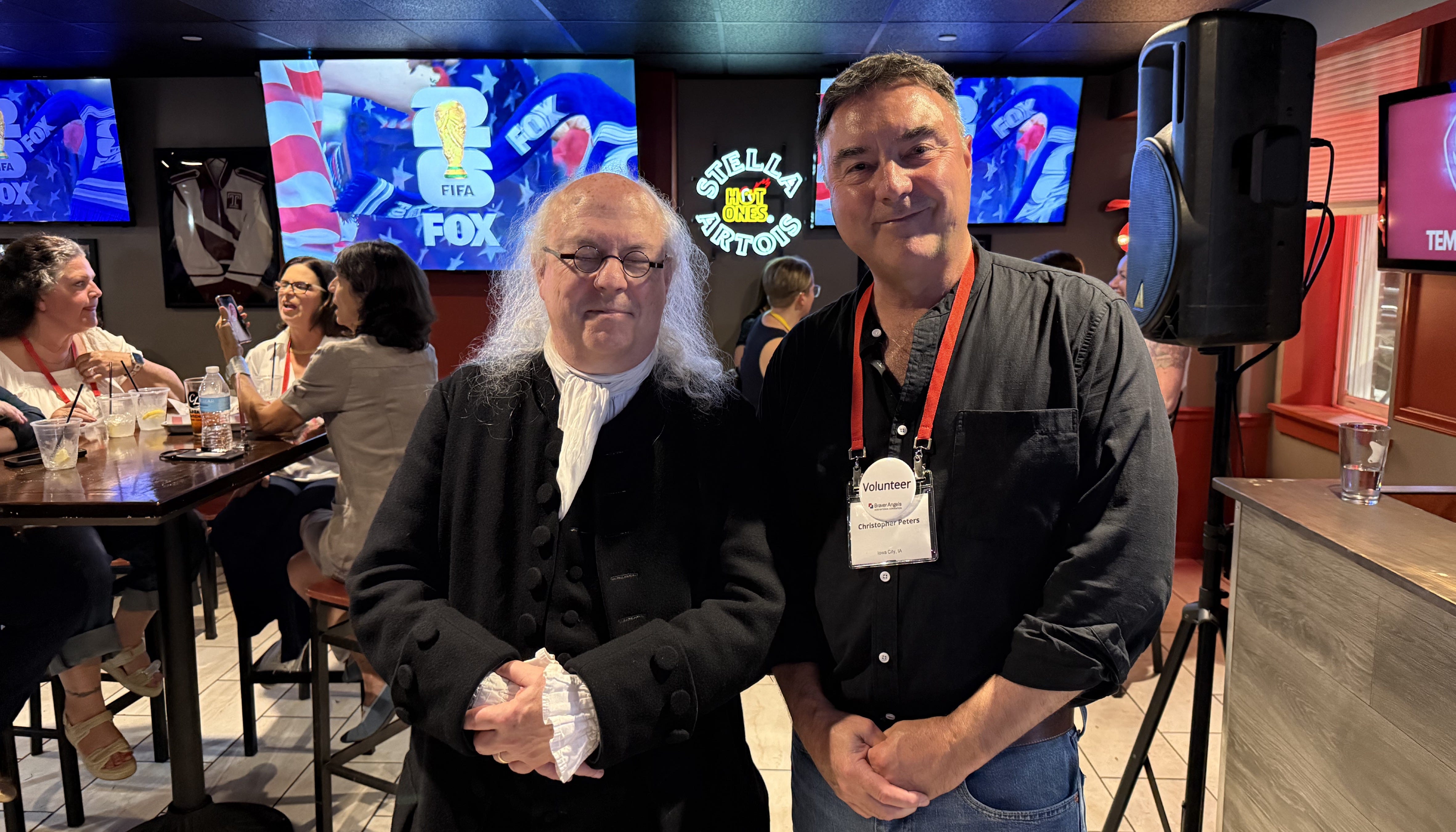
Nearly everyone I ran across in Philadelphia was kind and helpful — from the transit workers on the trains to the ladies in the cafeteria at Temple University — I think the spirit of brotherly (and sisterly) love is alive and well in Philly!
Due to structural weakness and pushback by wealthy elites, the 1776 Constitution was replaced in 1790.